
Key Takeaways
- US-source FDAP income paid to Indian residents is subject to a default 30% federal withholding unless reduced by treaty.
- The India–US tax treaty commonly reduces withholding to 10%–15% for interest, royalties, and fees for included services.
- Indian vendors and professionals should never receive Form 1099; US payers must use Form 1042-S reporting.
- Valid Form W-8BEN or W-8BEN-E is mandatory to apply treaty benefits at source.
- Annual withholding tax return Form 1042 and recipient statements Form 1042-S are due by March 15.
- Effectively Connected Income (ECI) is generally not subject to withholding but requires a US tax return filing.
Introduction
As Indian Chartered Accountants expand into US tax compliance, one recurring issue in client engagements is handling payments from US businesses to Indian individuals or entities. Whether it is a SaaS subscription, royalty payout, or contractor arrangement, US withholding tax rules apply very differently from India’s Section 195 TDS framework.
This article is written for Indian CAs advising US clients—LLCs, corporations, and partnerships—who make payments to India. The objective is practitioner clarity: when withholding applies, at what rate, how treaty benefits are claimed, and how reporting works through Forms 1042 and 1042-S.
You will gain a structured understanding of FDAP income, treaty-reduced rates under the India–US tax treaty, and a practical compliance workflow you can implement across Forms 1040, 1065, and 1120-S engagements. This knowledge directly improves advisory quality and reduces exposure to IRS penalties for your US clients.
Overview: Withholding Tax on Payments to India
What is withholding on payments to India?
Withholding tax on payments to India refers to US federal tax withheld when a US person pays US-source income to a nonresident alien individual or foreign entity located in India. This is a US-side obligation and is entirely separate from India’s TDS regime under Section 195.
The tax is withheld at source by the US payer and remitted to the IRS, not by the Indian recipient.
Who is required to withhold US tax?
Any US person—individual, partnership, LLC, or corporation—making a US-source payment to an Indian resident is potentially a withholding agent. This includes US startups paying Indian founders, US SMBs outsourcing development work, and US companies licensing IP from India.
Why this matters for India-based US tax preparers
Indian CAs handling US returns must ensure withholding is correctly applied, deposited, and reported. Errors often surface during IRS matching of Forms 1042-S with W-8BEN data, creating downstream compliance issues across client portfolios.
Practitioner Tip: Always analyze withholding independently of Indian tax treatment—US compliance stands on its own.
Understanding FDAP Income for India-Based Payees
What is FDAP income?
FDAP stands for Fixed, Determinable, Annual, or Periodical income. It broadly covers passive or recurring income streams that are predictable in amount or timing. Under US tax law, FDAP income paid to nonresidents is subject to gross-basis withholding.
Common FDAP income types paid to India
Typical FDAP payments from the US to India include interest on loans, dividends, royalties for software or IP, SaaS license fees, and certain management or consulting fees.
Many service arrangements are mistakenly treated as business income, but if services are performed outside the US and not ECI, the characterization still matters for treaty analysis.
US source rules vs India source income
Only US-source FDAP income triggers withholding. Source rules depend on income type—interest is sourced to payer residence, services to place of performance, and royalties to place of use.
Practitioner Tip: Source analysis is the first step before rate determination; incorrect sourcing leads to over- or under-withholding.
Withholding Rate Table: Payments to India by Income Type
Default withholding rates under US tax law
Absent a treaty claim, FDAP income is subject to a flat 30% withholding under the Internal Revenue Code.
Special income categories and exceptions
Certain interest types (e.g., portfolio interest) may be exempt, while others require treaty analysis.
Impact of effectively connected income (ECI)
If income is effectively connected with a US trade or business, withholding generally does not apply, but the Indian recipient must file a US tax return.
| Income Type | Default US Withholding Rate | Treaty-Reduced Rate (India) |
|---|---|---|
| Interest (non-portfolio) | 30% | 10%–15% |
| Dividends | 30% | 15% |
| Royalties (software/IP) | 30% | 10% |
| Fees for included services | 30% | 10% |
| ECI | Nil | Taxed via return |
Practitioner Tip: Always document why income is treated as FDAP or ECI in workpapers.
Treaty Benefits: India–US Tax Treaty Reduced Rates
Overview of the India–US tax treaty
The India–US tax treaty overrides domestic US withholding rules where applicable. It is the primary tool to reduce the statutory 30% rate.
Common treaty-reduced withholding rates
Interest, royalties, and fees for included services are typically capped at 10%–15% under specific treaty articles.
Limitations and conditions for claiming treaty benefits
Claims require beneficial ownership, correct income classification, and in some cases Limitation on Benefits (LOB) satisfaction.
Practitioner Tip: Treaty analysis should be done before W-8BEN is issued, not after withholding errors occur.
Form W-8BEN and Treaty Benefit Claims
Purpose of Form W-8BEN and W-8BEN-E
Form W-8BEN (individuals) and W-8BEN-E (entities) certify foreign status and enable treaty benefit claims. Without it, US payers must withhold at 30%.
How Indian payees claim treaty benefits
The form must specify India as the country of residence, the relevant treaty article, and the reduced rate. IRS guidance is available in the IRS instructions for Form W-8BEN.
Common errors seen in W-8BEN filings
Frequent issues include missing article numbers, incorrect income type, and expired forms.
Practitioner Tip: Maintain a W-8 validity tracker—forms generally expire after 3 years.
Form 1042 and Form 1042-S Reporting Requirements
What is Form 1042?
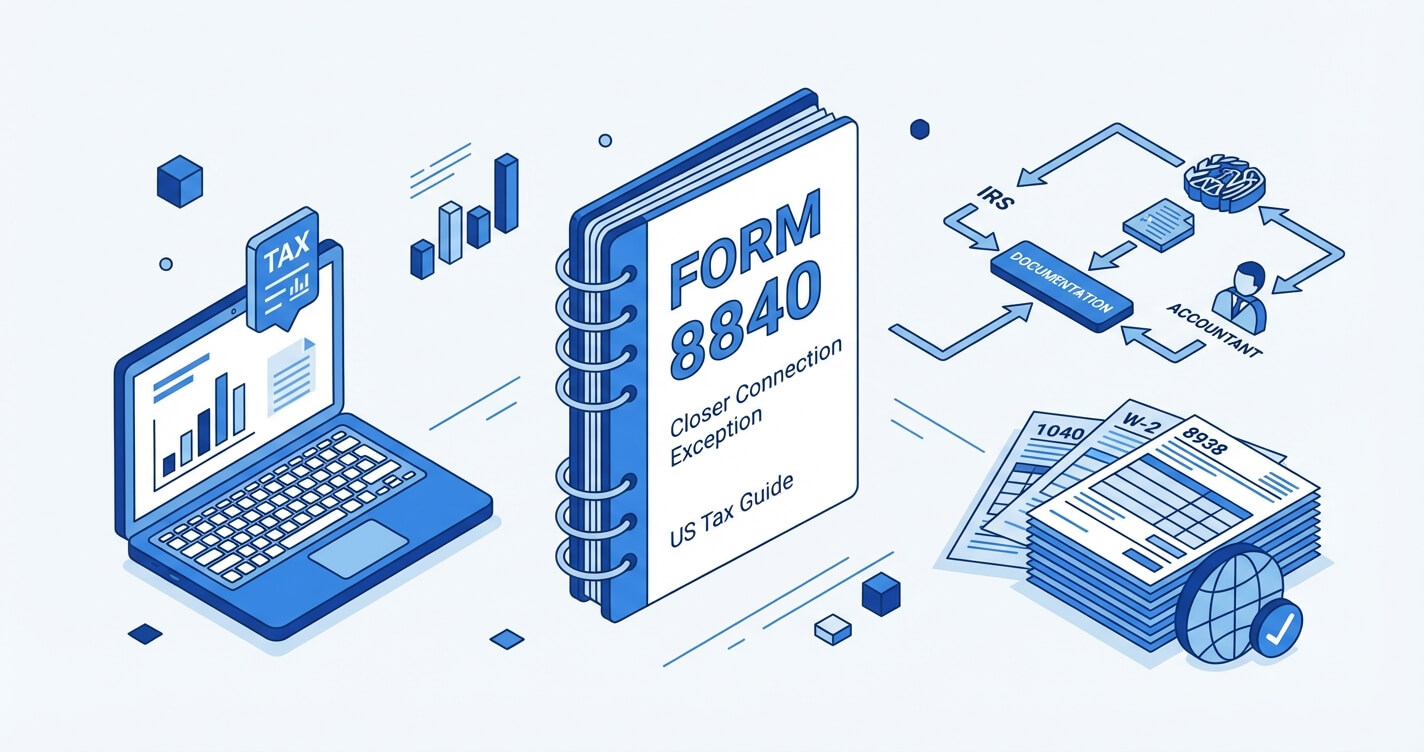
Form 1042 is the annual withholding tax return filed by the US withholding agent, reconciling all nonresident withholding for the year. Refer to IRS guidance on Form 1042 withholding tax return for official instructions.
What is Form 1042-S?
Form 1042-S reports income and tax withheld at the recipient level. Each Indian payee must receive a separate form.
Deadlines, penalties, and reconciliation issues
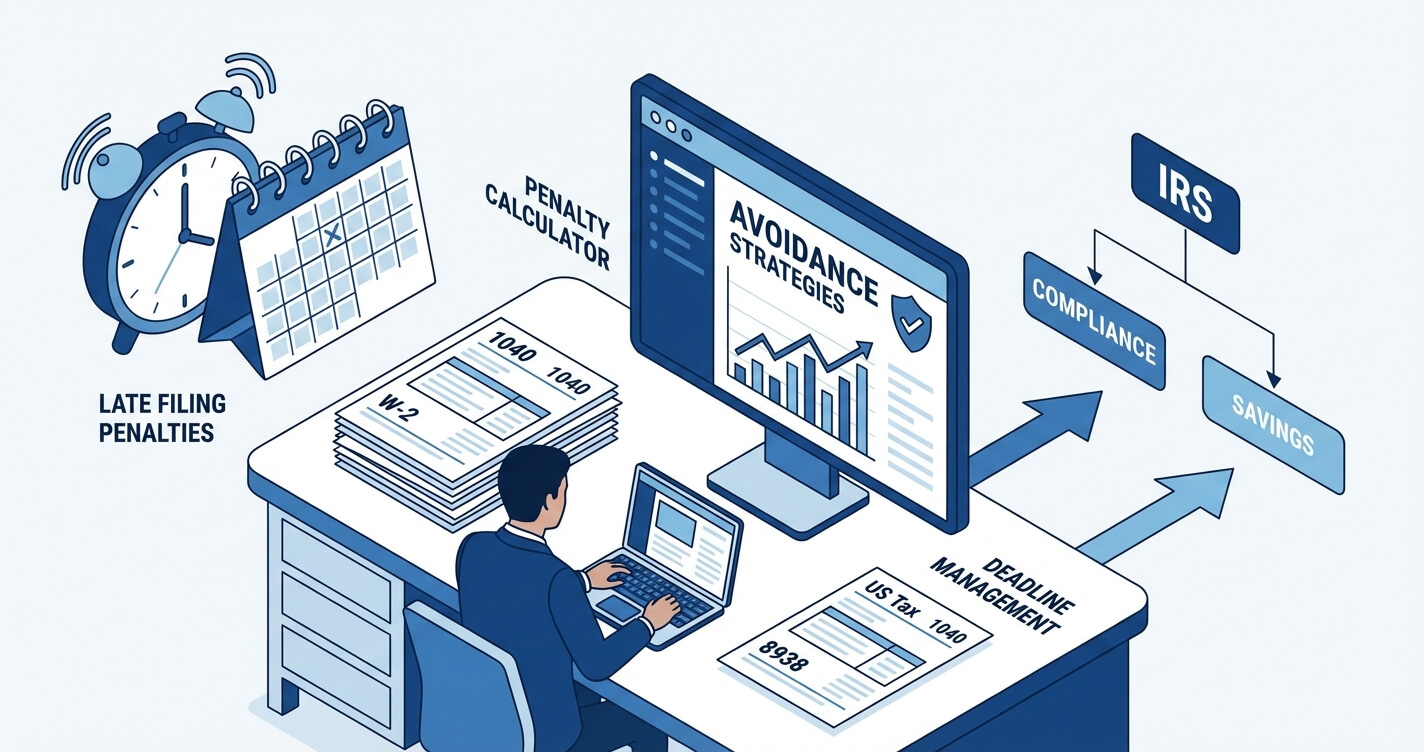
Both forms are due by March 15. Mismatches between Forms 1042, 1042-S, and W-8 data commonly trigger IRS notices.
Practitioner Tip: Corrections should be filed promptly using amended 1042-S forms to avoid penalties.
Compliance Workflow for Payments to India
Step-by-step withholding and reporting process
- Determine US-source income and classification.
- Collect valid W-8BEN/W-8BEN-E.
- Apply treaty rate or default withholding.
- Deposit tax with IRS.
- File Forms 1042 and 1042-S.
Interaction with Forms 1099 vs 1042-S
Indian vendors should never receive Form 1099. Using 1099 instead of 1042-S is a common compliance failure.
Practical scenarios for US SMB clients
Examples include SaaS subscriptions, contractor development services, and royalty payments for software licenses.
Related cross-border topics such as transfer pricing basics for Indian accountants often intersect with withholding analysis.
Conclusion
Withholding tax on payments to India is a core competency for Indian CAs building US tax practices. Mastery of FDAP rules, treaty benefits, and Forms 1042/1042-S enables you to proactively manage compliance rather than react to IRS notices.
As you advise US clients, build standardized workflows for W-8 collection, treaty analysis, and reporting. This foundation also supports adjacent areas like FIRPTA withholding on US real estate sales and India–US social security totalization.
Consistent application of these rules strengthens your credibility as a cross-border US tax advisor.
FAQs
Is US withholding tax the same as India TDS under Section 195?
No. US withholding is governed by the Internal Revenue Code and tax treaties, while Section 195 applies to payments from India. They operate independently and require separate compliance analysis.
When does the 30% default withholding apply?
The 30% rate applies to US-source FDAP income paid to Indian residents when no valid treaty claim is made. Proper W-8 documentation is essential to reduce this rate.
Can service income paid to India be exempt from withholding?
It depends on source rules and treaty classification. Services performed outside the US may avoid withholding, but fees for included services often remain taxable.
What happens if Form W-8BEN is missing?
The US payer must withhold at 30% by default. Treaty benefits cannot be applied retroactively without proper documentation.
Are Indian companies eligible for treaty benefits?
Yes, subject to beneficial ownership and Limitation on Benefits provisions. Entity-level analysis is required.
What is the penalty for incorrect Form 1042-S filing?
Penalties vary based on timing and severity but can be significant. Early correction reduces exposure.
Does ECI require withholding?
Generally no. ECI is taxed through a US return filing by the Indian recipient.
Can withholding be refunded?
Yes, but only through a US tax return filed by the Indian recipient claiming a refund.
How long should W-8 forms be retained?
At least 6 years for audit defense, though validity for withholding is typically 3 years.
Should Indian CAs handle Form 1042 filings?
Yes, with proper training. It is a natural extension of US compliance services for cross-border clients.